2-8 °C
Cold chain
Vaccines, insulin and many biological products, some reagents and kits. They must also be protected from freezing; freezing can damage a product as much as a rise in temperature.
Logistics
A shipment's success is not measured by the arrival date alone. The job is done when the product arrives under the storage conditions on its label, with its packaging intact and with its documents. We build the transport plan around these three conditions.
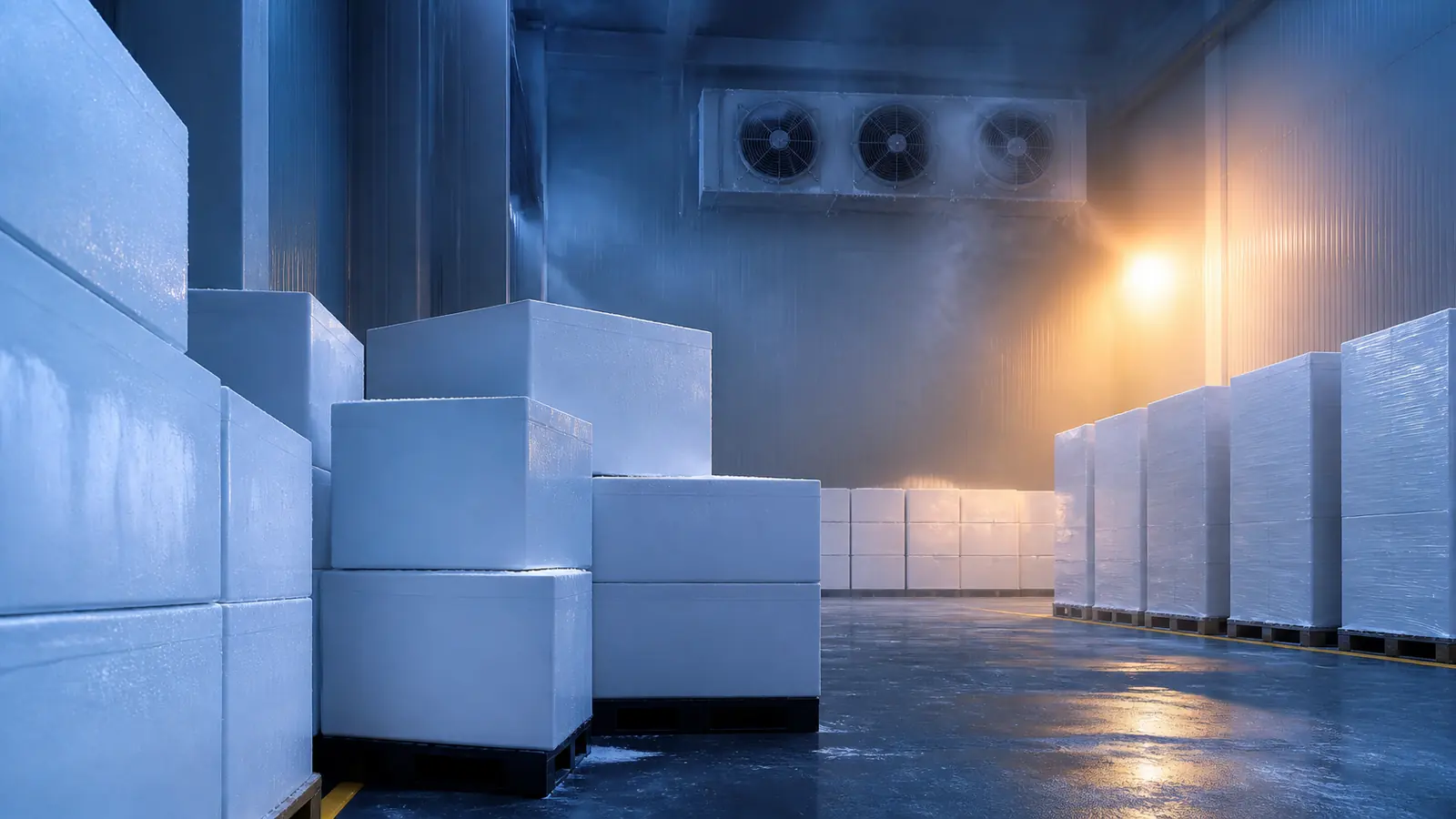
Vaccines, insulin and many biological products, some reagents and kits. They must also be protected from freezing; freezing can damage a product as much as a rise in temperature.
Many tablets and capsules, infusion solutions and IV fluids, some diagnostic kits. Active measures may be needed in summer and at transfer points in hot climates.
Some biological products, reagents and raw materials. Shipped with dry ice or in active freezer containers; dry ice is subject to dangerous goods rules in air cargo.
Most medical devices, surgical instruments, orthopaedic products and optical products. They still need protection from moisture, impact and excessive heat, and the risk of condensation in electronic devices must be considered.
The first choice for temperature-sensitive, high-value or urgent products. Transfer times and cold room facilities at the airport are assessed together when choosing the route.
An economical option for bulky devices, hospital beds, hygiene products and consumables. For cargo that requires a cold chain, temperature-controlled reefer containers are used.
Door-to-door shipments to neighbouring and nearby markets. Temperature-controlled vehicles, driver rest periods and waiting times at border crossings are included in the plan.
Express courier is used for samples sent for registration applications, evaluation or tenders. The customs status and documents of samples are planned separately from the main shipment.
Passive boxes maintain the temperature for a set time using gel packs or phase change material. Active containers, with their own cooling and heating systems, are preferred on long routes with several transfers.
Records temperature throughout the shipment. The device calibration, recording interval and who will read the output are decided before loading.
Labels that record impact and tipping on imaging devices, analysers and sensitive optical equipment. They are the first markings checked at delivery.
For sterile products, the outer packaging is there to protect the integrity of the sterile barrier. Cartons are stacked so they are not crushed and are protected from moisture and sharp edges.
Dangerous goods
Alcohol-based hand sanitisers are usually classified as Class 3 (flammable liquids), portable devices with lithium batteries as Class 9, oxygen cylinders as Class 2 and dry ice as Class 9. The IATA Dangerous Goods Regulations (DGR) apply to air cargo and the IMDG Code to sea transport. The product's safety data sheet, classification and packing instructions are shared with the carrier before booking.
We confirm that product names, lots and quantities match across the invoice, packing list, transport document and product documents.
We check the conditioning of the cooling box, that the data logger has been started and the storage markings on the cartons.
Expiry dates of the loaded lots are compared with the shelf life requirement in the contract.
The flight or vessel, transfer points and collection time at destination are confirmed. Arrivals falling on a weekend are avoided wherever possible.
The transport document number, estimated time of arrival and copies of the documents are shared with the buyer. Together we confirm that nothing is missing for customs clearance.
Share the product, model or specification, quantity, destination country and required documents. We will work out the sourcing options and shipment plan with you.